
This isn't about eliminating caffeine. It's about understanding what caffeine actually does (hint: it doesn't clear adenosine, it just blocks the receptors temporarily) and building a broader protocol that addresses the underlying accumulation, not just the perception of tiredness.
The Mechanism: What Adenosine Actually Does
Adenosine is a byproduct of cellular energy metabolism, specifically the breakdown of ATP, your cells' primary energy currency. As your brain uses energy throughout the day, adenosine accumulates in extracellular fluid and binds to adenosine receptors, producing the progressive feeling of mental fatigue and reduced alertness commonly called "sleep pressure."
This is a homeostatic process, meaning it's regulated by your body to eventually force sleep, which is when adenosine gets cleared most efficiently. Caffeine works by blocking adenosine receptors, not by breaking down or clearing adenosine itself. This is a critical distinction: caffeine masks the signal, but the underlying adenosine continues accumulating in the background, which is part of why caffeine tolerance builds and why a crash often follows once it wears off.
Why This Matters for Sustained Energy
If your entire mental energy strategy relies on receptor-blocking without addressing actual adenosine clearance, you're accumulating a growing deficit that eventually catches up, usually as afternoon crashes, degraded sleep quality, or diminishing caffeine effectiveness over time. Understanding the clearance side of this equation, not just the blocking side, is what separates a sustainable energy strategy from one that's borrowing against tomorrow's performance.
Sleep remains the primary mechanism for adenosine clearance, but several other levers directly influence how efficiently your body manages this process throughout the day, which is where a real protocol comes in.
The Protocol
Step 1: Prioritize Sleep Architecture, Not Just Duration
Adenosine clearance happens most efficiently during deep, slow-wave sleep stages. Prioritize consistent sleep and wake times, since irregular sleep schedules disrupt the sleep architecture needed for efficient clearance, even if total sleep duration looks adequate on paper. Aim for 7 to 9 hours with minimal fragmentation, since frequent waking interrupts the deep sleep stages where clearance is most active.
Step 2: Delay Caffeine Intake After Waking
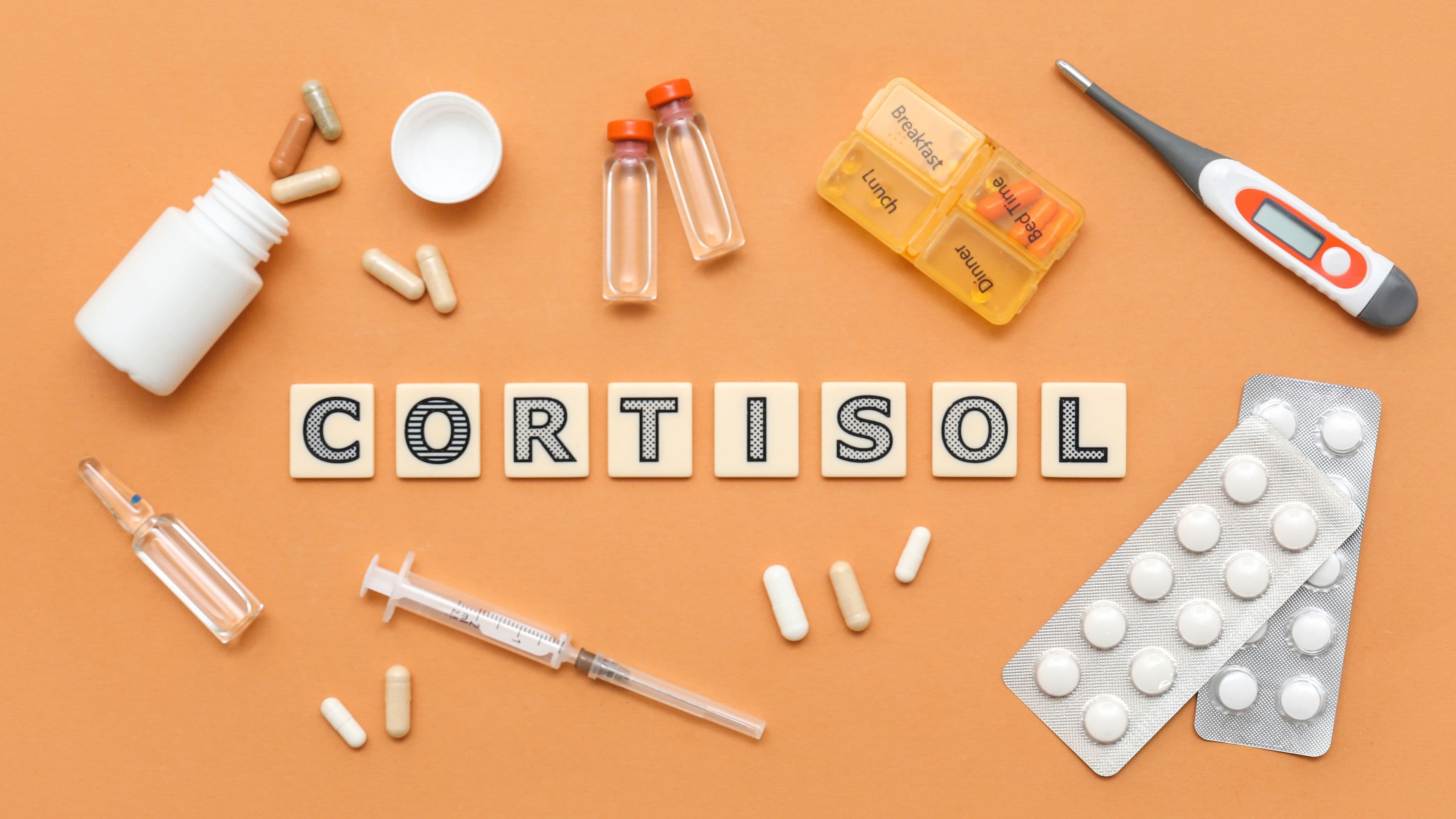
Cortisol naturally peaks 30 to 45 minutes after waking, providing a natural period of alertness. Delaying caffeine intake by 60 to 90 minutes after waking allows this natural cortisol curve to do its job first, which reduces your reliance on caffeine to override baseline adenosine levels that are already relatively low right after sleep.
Step 3: Use Strategic Napping for Mid-Day Clearance
A short nap, 10 to 20 minutes, can produce measurable adenosine clearance without pushing into deeper sleep stages that cause grogginess upon waking. This is a legitimate clearance mechanism, not just a psychological reset, and can meaningfully offset accumulated adenosine during a demanding day without disrupting nighttime sleep architecture if timed before mid-afternoon.
Step 4: Time Caffeine's Final Dose Based on Its Half-Life
Caffeine has an average half-life of 5 to 6 hours, though this varies by individual metabolism. Cut off caffeine intake at least 8 to 10 hours before your target bedtime to avoid residual receptor blocking that interferes with the deep sleep stages responsible for adenosine clearance that night.
Step 5: Incorporate Regular Aerobic Exercise
Aerobic exercise has been shown to influence adenosine signaling and improve sleep quality, which indirectly supports more efficient clearance. This doesn't require extreme volume, moderate, consistent aerobic activity several times per week produces measurable benefits to sleep architecture over time.
Step 6: Manage Light Exposure to Support Circadian Alignment
Adenosine accumulation and clearance are tightly linked to your circadian rhythm. Morning sunlight exposure and reduced blue light exposure in the evening support the circadian signaling that governs when your body prioritizes the sleep stages needed for efficient clearance.
Expected Results and Timeline
Sleep architecture and timing adjustments typically produce noticeable improvements in daytime alertness within 1 to 2 weeks of consistent implementation, as your circadian rhythm and sleep quality stabilize. The caffeine timing adjustments (delayed morning intake, earlier cutoff) tend to show benefits faster, often within days, since they directly address receptor sensitivity and sleep interference.
Full optimization, including improved caffeine sensitivity from reduced overall tolerance, generally requires 3 to 4 weeks of consistent protocol adherence, particularly if you're coming from a pattern of heavy, poorly timed caffeine use.
Risks and Limitations
Reducing or timing caffeine differently can produce temporary withdrawal symptoms, headaches, irritability, fatigue, particularly in the first several days if you're significantly reducing total intake. Taper rather than eliminating abruptly if you're currently a heavy caffeine user.
Napping longer than 20 to 30 minutes risks entering deeper sleep stages, which can cause grogginess (sleep inertia) upon waking and, if done too late in the day, can interfere with nighttime sleep architecture rather than support it.
This protocol addresses adenosine-driven fatigue specifically. Persistent fatigue despite consistent implementation may indicate other underlying issues, like sleep apnea, thyroid dysfunction, or nutrient deficiencies, that require medical evaluation rather than further lifestyle adjustment.
Common Mistakes
Treating caffeine delay or cutoff timing as optional rather than a core component undermines the entire protocol, since these are the two highest-leverage, lowest-effort adjustments in the entire strategy. Relying on long afternoon naps instead of short strategic ones is another common error, often producing grogginess that gets misattributed to the nap itself rather than poor timing or duration.
FAQ
Does decaf coffee help with adenosine clearance? Decaf doesn't block adenosine receptors the way caffeinated coffee does, so it won't interfere with clearance, but it also doesn't actively support clearance itself, it's simply neutral in this context.
Is it bad to rely on caffeine every day? Daily caffeine use isn't inherently harmful, but strategic timing (delayed morning intake, earlier cutoff) matters significantly more for long-term energy sustainability than whether you use it daily.
Can supplements clear adenosine faster than sleep? No supplement has been shown to clear adenosine as effectively as deep sleep stages. Some compounds may support sleep quality indirectly, but sleep itself remains the primary clearance mechanism.
📚 Sources
"Adenosine, Caffeine, and Sleep-Wake Regulation" – National Institutes of Health, National Library of Medicine – https://www.ncbi.nlm.nih.gov/pmc/articles/PMC3767693/
"Caffeine Pharmacokinetics" – National Institutes of Health, National Library of Medicine – https://www.ncbi.nlm.nih.gov/pmc/articles/PMC7442426/
"Napping and Cognitive Performance" – Sleep Foundation – https://www.sleepfoundation.org/napping