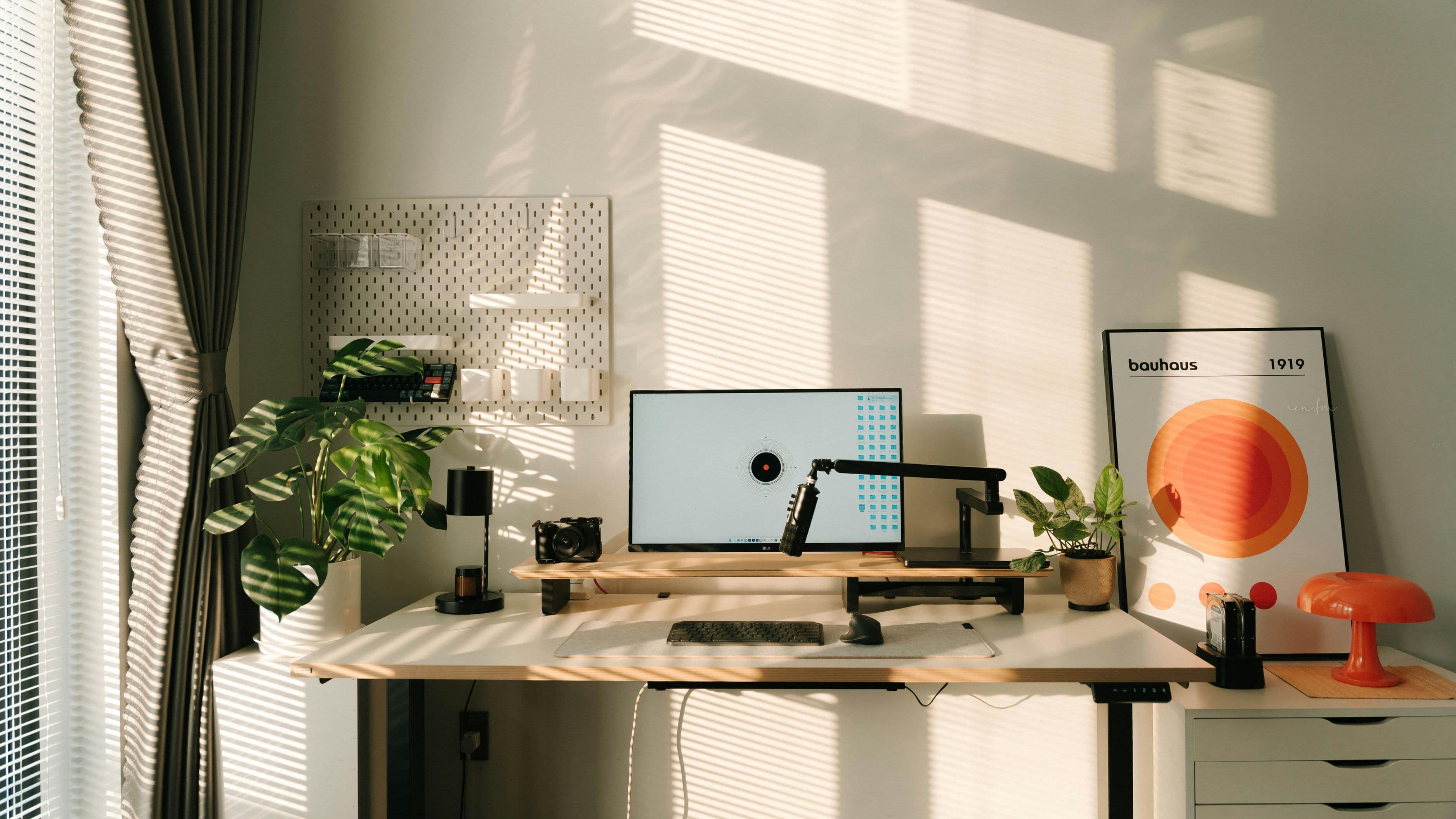

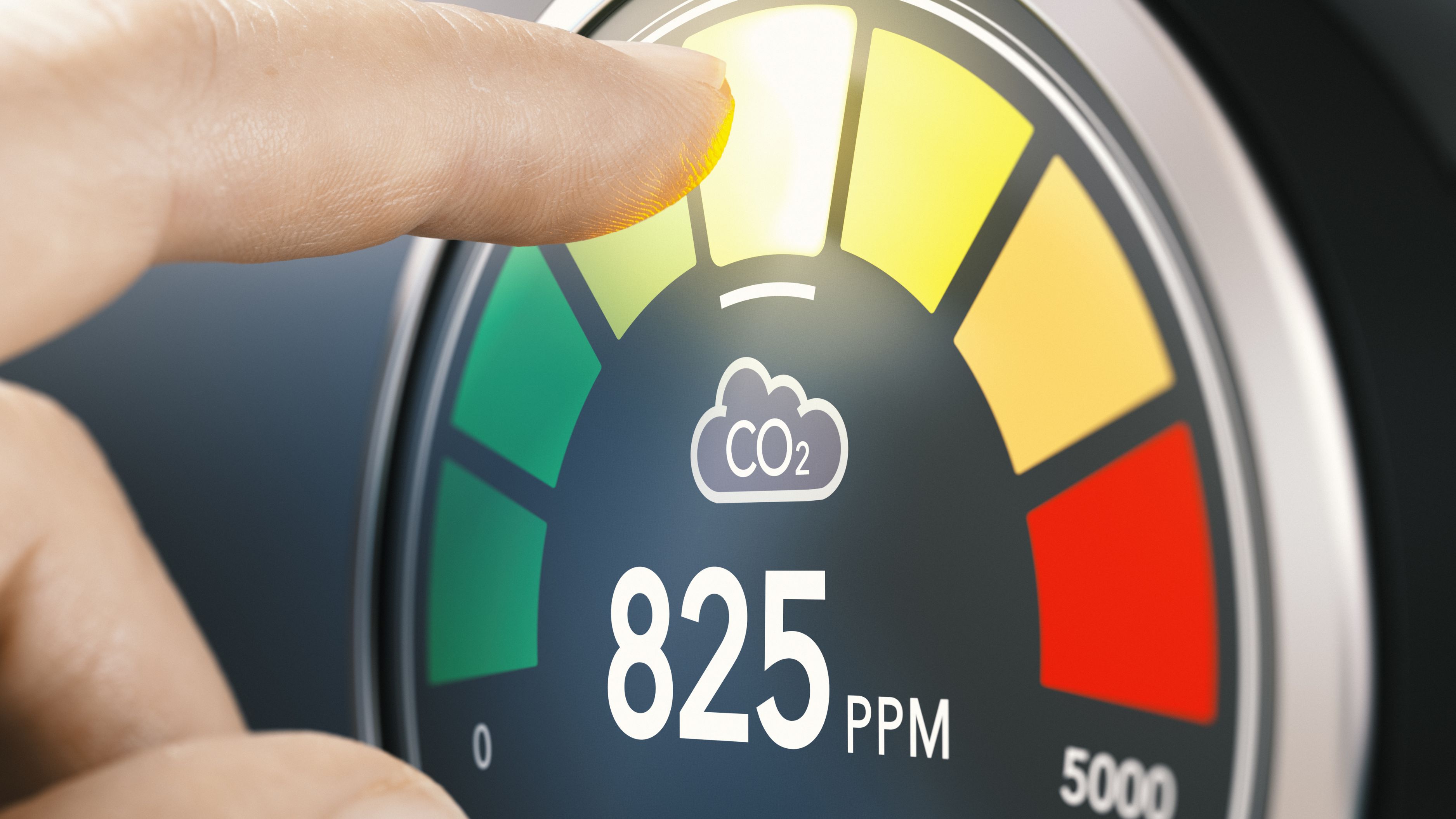
Indoor air quality is one of the highest-leverage, most overlooked variables in cognitive performance. The EPA has documented that indoor air can be two to five times more polluted than outdoor air. CO₂ builds up rapidly in an enclosed workspace. VOCs off-gas from furniture, paint, and electronics continuously. Fine particulate matter – PM2.5 – crosses the blood-brain barrier and triggers neuroinflammation. None of this requires a diseased building. It's what happens in the average sealed home office, every day.
This protocol addresses the four primary air quality variables that directly affect cognitive output: CO₂ levels, particulate matter, volatile organic compounds, and humidity. Fix these in sequence and the returns are measurable – not subtle wellness claims, but documented improvements in attention, working memory, and decision-making speed.
The Science: Why Air Quality Is a Cognitive Variable
The mechanism linking indoor air quality to cognitive performance is well-established, not speculative.
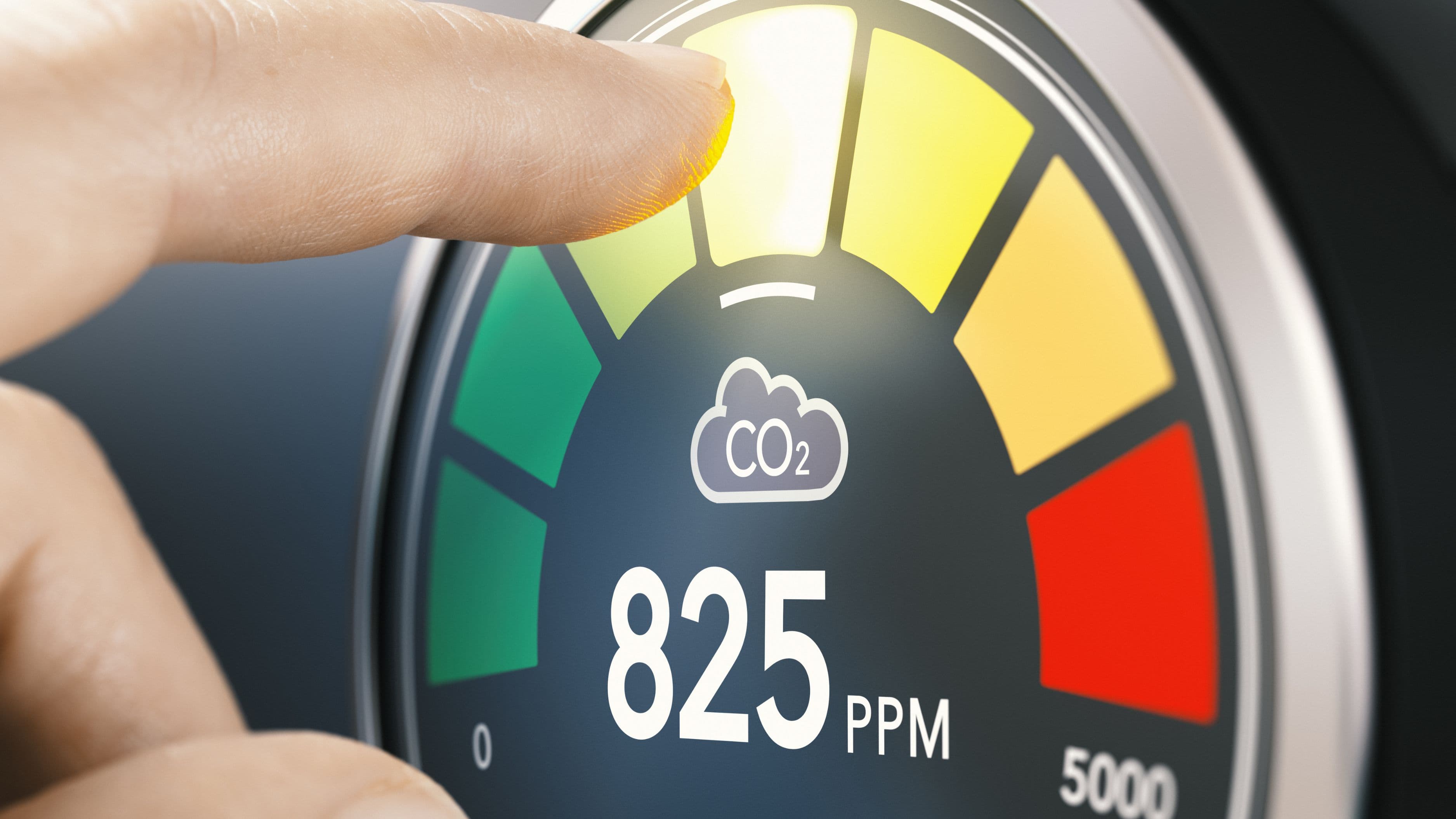
CO₂ is the most acutely impactful variable. At 1,000 ppm – a level easily reached in a small home office within 90 minutes of occupancy – research published in the journal Environmental Health Perspectives found significant impairments across nine cognitive function domains compared to the 550 ppm baseline. At 2,500 ppm, the impairments are severe and affect nearly every domain measured. A standard home office with a closed window and one person working hits 1,000 ppm faster than most people expect. Two people in a small space hit it faster still.
PM2.5 – particulate matter 2.5 microns or smaller – crosses the blood-brain barrier directly and activates microglia, the brain's resident immune cells. Chronic low-level PM2.5 exposure is associated with reduced executive function and increased neuroinflammatory markers. Sources include outdoor air infiltrating through gaps, cooking fumes, candles, and the off-gassing of certain electronics and building materials.
VOCs (volatile organic compounds) are emitted by paints, adhesives, new furniture, cleaning products, printers, and carpets. Short-term exposure to elevated VOC concentrations causes headaches, impaired concentration, and eye and respiratory irritation. Long-term exposure to specific compounds (benzene, formaldehyde) carries documented carcinogenic risk.
Humidity sits outside this trio but matters independently. Below 30% relative humidity, nasal passages and airways dry out, increasing vulnerability to airborne pathogens and reducing mucociliary clearance – the body's primary mechanism for trapping and expelling inhaled particles. Above 60%, mold proliferation risk rises significantly, and mold spores are themselves a meaningful source of indoor air contaminants.
Step 1: Measure Before You Optimize
Optimizing without measurement is guesswork. Before purchasing any filtration or ventilation equipment, establish your baseline across the four key variables.
CO₂: The Aranet4 is the current benchmark for home and office CO₂ monitoring – accurate, compact, and syncs to a mobile app for continuous logging. The Airthings Wave Plus covers CO₂, radon, VOCs, humidity, temperature, and pressure in a single unit, which is useful if you want a broader picture from one device. Target: keep your home office below 800 ppm during working hours. Below 600 ppm is optimal.
Particulate matter (PM2.5 and PM10): The IQAir AirVisual Pro provides laboratory-grade particulate monitoring with real-time AQI data and historical logging. For a more accessible entry point, the Awair Element covers PM2.5, CO₂, VOCs, humidity, and temperature at a lower price point and with solid accuracy. Target: PM2.5 below 12 µg/m³ (the EPA annual standard) is acceptable; below 5 µg/m³ is high-performance.
VOCs: TVOC (total volatile organic compound) readings are measured in ppb. Most consumer monitors provide TVOC rather than compound-specific readings, which limits precision but gives a useful directional signal. Target: below 220 ppb is considered good air quality by most standards. A spike after unboxing new furniture or repainting a room is expected and will resolve within days to weeks with adequate ventilation.
Humidity: Any digital hygrometer provides accurate humidity readings. A two-pack of basic Govee or Inkbird units placed at desk height and in another area of the room gives you a reliable picture. Target: 40–55% relative humidity is the optimized range for respiratory comfort and airborne pathogen suppression.
Run your baseline measurements for a full week before making any changes. Log morning, midday, and late-afternoon readings to understand how quickly variables shift during a working day.
Step 2: Control CO₂ – Ventilation First, Filtration Second
CO₂ cannot be filtered. It requires ventilation – either introducing outdoor air or exchanging indoor air for outdoor air. This is where most home office setups fail, because the path of least resistance is to keep windows closed for noise and temperature control.
Natural ventilation: The simplest intervention is also the most effective. Opening a window – even partially – provides continuous CO₂ dilution. In a 150 sq ft office with one person, a partially open window can maintain CO₂ below 800 ppm indefinitely. If noise or outdoor air quality (urban environments) makes this impractical, use it during breaks rather than continuously.
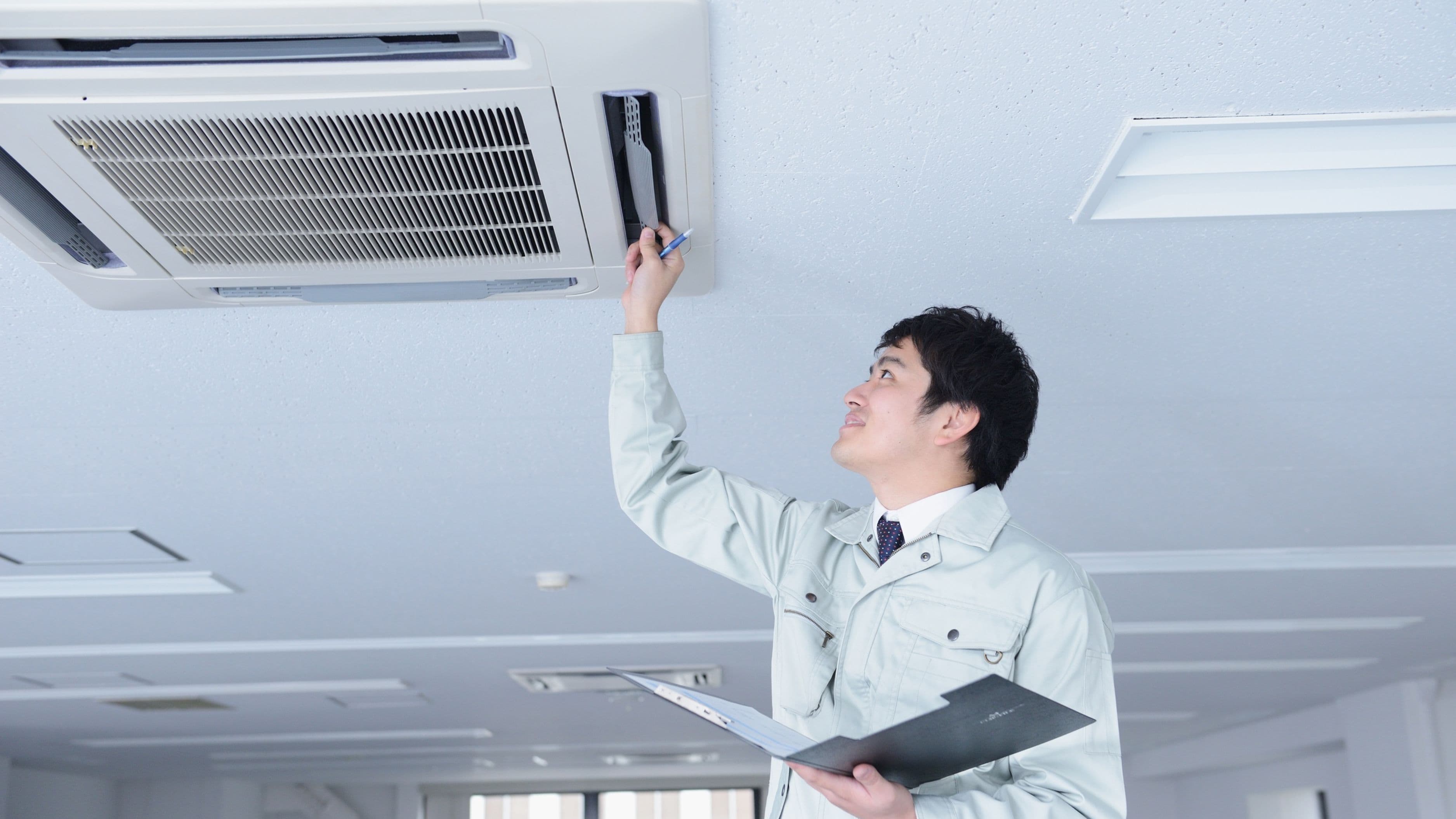
Mechanical ventilation: An Energy Recovery Ventilator (ERV) or Heat Recovery Ventilator (HRV) provides continuous controlled fresh air intake while recovering thermal energy to minimize HVAC load. These are installed into the home's ductwork or as standalone wall-mounted units (Lunos e² is the leading compact option). For a dedicated high-performance home office, an ERV/HRV installation is the single highest-impact upgrade for CO₂ control. Cost: $500–$2,500 depending on unit and installation complexity.
Demand-controlled ventilation: Pair your CO₂ monitor with a smart switch connected to a window fan or ventilation fan. When CO₂ crosses 900 ppm, the fan activates. This automates the ventilation response and eliminates the need for manual monitoring during focused work blocks.
Step 3: Filter Particulate Matter and VOCs
Once ventilation is addressed, filtration handles the pollutants that ventilation doesn't resolve – primarily PM2.5 from outdoor infiltration and indoor sources, and VOCs from materials.
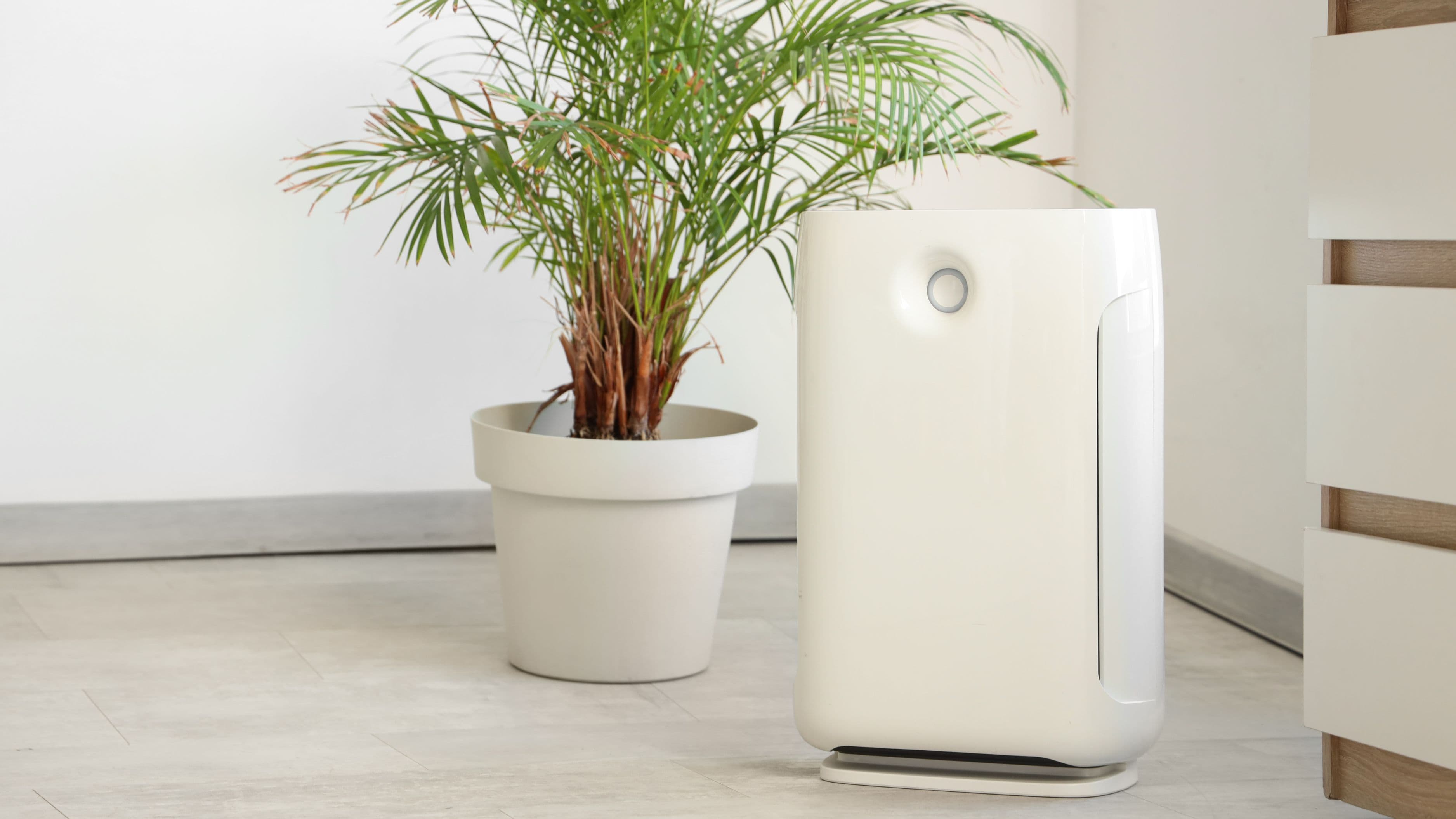
HEPA filtration: A True HEPA filter captures 99.97% of particles 0.3 microns or larger, covering the full PM2.5 and PM10 range that matters for cognitive health. For a home office, size the air purifier to your room's square footage using the CADR (Clean Air Delivery Rate) rating. A unit with a CADR of at least 200 cfm is appropriate for rooms up to 300 sq ft. Running at medium speed continuously is more effective than running at high speed intermittently.
The IQAir HealthPro Plus is the performance benchmark – it covers HyperHEPA filtration down to 0.003 microns (well below standard HEPA) plus a dedicated gas-phase filtration stage for VOCs. For most home offices, the Austin Air Healthmate or Coway Airmega 400 deliver strong HEPA performance at a lower price point. Avoid "air purifiers" with ionization or ozone generation as their primary mechanism – ozone is a lung irritant and the data on ionizers improving PM2.5 outcomes is weak compared to HEPA.
Activated carbon filtration: VOC capture requires activated carbon, not HEPA. High-quality air purifiers pair a HEPA stage with a substantial activated carbon bed – look for units with at least 5 lbs of activated carbon for meaningful VOC adsorption. The IQAir GC MultiGas is the clinical-grade option for high-VOC environments (new construction, recent renovation). For standard home offices, a HEPA + carbon combination unit handles the typical VOC load adequately.
Source control: Filtration is more effective when paired with reduction of emission sources. Ventilate new furniture for 48–72 hours before placing it in the office. Choose low-VOC paints if repainting. Store cleaning products outside the office. Replace laser printers (high toner particulate output) with inkjet if heavy printing is part of your workflow.
Step 4: Stabilize Humidity
Humidity control is the most straightforward variable in this protocol and is often already partially managed by your HVAC system.
Low humidity (below 35%): Common in winter in heated spaces. A cool-mist ultrasonic humidifier adds moisture without the mold risk of warm-mist units run at high output. The Levoit Classic 300S or Dyson AM10 are reliable options. Use distilled or demineralized water to prevent white dust particulate output from mineral deposits. Target output to maintain 40–50% RH at desk level, confirmed by your hygrometer, not by the humidifier's built-in display (which is less accurate).
High humidity (above 60%): Common in summer, basements, or coastal climates. A dehumidifier with continuous drainage is the appropriate solution for persistently high humidity. Size based on room square footage and baseline humidity. The hOmeLabs 4,500 sq ft Energy Star unit handles large spaces; for a standard home office, a 1,500–2,000 sq ft rated unit is adequate. Monitor mold growth in corners and behind furniture if you've had extended periods above 60% – remediation should be handled before it becomes an air quality source.
Step 5: Maintain and Audit Quarterly
A protocol without maintenance degrades. HEPA filters lose efficiency as they load with particulate matter. Activated carbon exhausts its adsorption capacity. Humidifier reservoirs can harbor bacterial and mold growth if not cleaned weekly.
Replace HEPA filters on manufacturer schedule or when your air monitor shows PM2.5 levels rising despite the unit running – this is the clearest sign of filter saturation. Activated carbon stages typically require replacement every 6–18 months depending on VOC load and unit usage. Log your filter replacement dates in whatever task management system you already use.
Run a full audit every quarter: pull your air monitor's logged data and look for trend shifts. A gradual CO₂ baseline increase suggests you've added an emission source or reduced natural ventilation. A PM2.5 spike that correlates with outdoor AQI events indicates infiltration through building envelope gaps. Address root causes, not just symptoms.
Tools and Equipment Summary
The following represent the evidence-based selections at each tier for a fully optimized home office air environment:
Monitoring: Aranet4 (CO₂) + IQAir AirVisual Pro (PM2.5) + digital hygrometer. For an all-in-one approach: Airthings Wave Plus covers most variables adequately.
Ventilation: ERV/HRV for permanent installation. Window fan with CO₂-triggered smart switch for a lower-cost automated solution. Manual window ventilation as baseline.
Filtration: IQAir HealthPro Plus (highest performance), Austin Air Healthmate or Coway Airmega 400 (high performance at lower cost). Avoid ozone-generating units entirely.
Humidity: Levoit Classic 300S or Dyson AM10 for dry environments. hOmeLabs Energy Star dehumidifier for high-humidity environments.
Expected Results and Timeline
CO₂ improvements are acute – reduce CO₂ below 800 ppm and cognitive clarity improves within the same session. The research is consistent on this point: the effect is not delayed or cumulative in the short term. You will notice the difference in afternoon focus quality within the first week of proper ventilation.
PM2.5 and VOC reductions have a mixed timeline. The acute effects of a high-VOC exposure event resolve within hours of ventilation. The chronic neuroinflammatory load from months of elevated PM2.5 exposure reduces gradually over weeks to months of improved air quality. Think of particulate reduction as a long-term investment in cognitive baseline, not a switch you flip.
Humidity stabilization effects are primarily preventive – maintaining optimal range reduces infection risk and respiratory irritation, neither of which you'll notice until you have a period outside the range and experience the contrast.
Common Mistakes
Running an air purifier in the corner of the room farthest from your desk wastes a significant portion of its effectiveness. Position the unit within 6–8 feet of your primary workspace, with airflow directed across the breathing zone.
Purchasing a CO₂ monitor without acting on the data is the most common outcome of this category. The monitor is the diagnostic – the intervention is ventilation. Many people check CO₂, see 1,400 ppm, and keep the window closed anyway. The data is only useful if the protocol changes behavior.
Over-reliance on houseplants as air purifiers. NASA's clean air study is frequently cited to support plants as meaningful air cleaners. The reality: the study was conducted in sealed chambers with controlled conditions bearing no relation to a working home office. You would need hundreds of plants to achieve meaningful air exchange rates. Plants have aesthetic and psychological value; they are not a substitute for HEPA filtration or ventilation.
Ignoring outdoor AQI on high-pollution days. On days when outdoor AQI exceeds 100 (unhealthy for sensitive groups), ventilating by opening windows pulls in more PM2.5 than it removes CO₂. On those days, run your air purifier at high, close windows, and limit ventilation to off-peak hours.
Frequently Asked Questions
What CO₂ level should I target for peak cognitive output? Below 800 ppm is the evidence-based target for maintaining near-baseline cognitive function. Below 600 ppm is optimal. At 1,000 ppm, measurable impairment begins. Most home offices without active ventilation hit 1,000–1,500 ppm within 90 minutes of occupancy.
Do HEPA air purifiers help with CO₂? No. HEPA filters capture particles – they have no mechanism for CO₂ removal. CO₂ is a gas and requires ventilation or chemical scrubbing (as used in spacecraft and submarines) for removal. If a product claims to "purify" CO₂ via filtration, the claim is false.
Are air quality monitor readings from consumer devices accurate? Broadly, yes for directional guidance – particularly for CO₂ (electrochemical and NDIR sensors are reliable) and humidity. PM2.5 readings from consumer optical sensors are somewhat less precise than regulatory-grade monitors but accurate enough to guide protocol decisions. TVOC readings are the least precise – treat them as relative indicators rather than absolute values.
How quickly does CO₂ rise in a home office? In a 150 sq ft room with one occupant and no ventilation, CO₂ can rise from outdoor ambient (~420 ppm) to 1,000 ppm in 60–90 minutes. Smaller rooms and higher metabolic activity (standing, exercising nearby) accelerate the rise. This is why CO₂-triggered automated ventilation is worth implementing rather than relying on periodic manual checks.
Is radon worth monitoring in a home office? If your home office is at or below ground level, yes. Radon is a naturally occurring radioactive gas that accumulates in basements and ground-floor rooms and is the second leading cause of lung cancer in the US. The Airthings Wave Plus includes radon monitoring. The EPA action level is 4 pCi/L – above this, remediation (typically sub-slab depressurization) is warranted.
Air quality is infrastructure. It doesn't give you a subjective feeling of optimization the way caffeine or cold exposure does, but the cognitive impairment from poor air quality is just as real and far more consistent. Fix the environment first. Everything else you're doing to optimize your output depends on the quality of the air your brain is running on.
📚 Sources
Satish U. et al. – Is CO₂ an Indoor Pollutant? Direct Effects of Low-to-Moderate CO₂ Concentrations on Human Decision-Making Performance, Environmental Health Perspectives (2012): https://ehp.niehs.nih.gov/doi/10.1289/ehp.1104789
EPA – Introduction to Indoor Air Quality: https://www.epa.gov/indoor-air-quality-iaq/introduction-indoor-air-quality
EPA – Volatile Organic Compounds' Impact on Indoor Air Quality: https://www.epa.gov/indoor-air-quality-iaq/volatile-organic-compounds-impact-indoor-air-quality
EPA – Particulate Matter (PM) Basics: https://www.epa.gov/pm-pollution/particulate-matter-pm-basics
ASHRAE – Ventilation for Acceptable Indoor Air Quality (Standard 62.1): https://www.ashrae.org/technical-resources/bookstore/standards-62-1-62-2
EPA – Radon – A Citizen's Guide to Radon: https://www.epa.gov/radon/citizens-guide-radon
Allen JG et al. – Associations of Cognitive Function Scores with Carbon Dioxide, Ventilation, and Volatile Organic Compound Exposures in Office Workers, Environmental Health Perspectives (2016): https://ehp.niehs.nih.gov/doi/10.1289/ehp.1510037